






Building a Custom Home in Ormond Beach: Timeline, Process & What to Expect
Building a custom home in Ormond Beach takes 11-17 months from land purchase to move-in day, assuming everything goes smoothly. Reality often adds another 2-3 months when you factor in design changes, permit delays, weather, and the inevitable surprises that surface during construction - particularly for beachside and golf community projects where additional reviews and standards add complexity. Understanding what happens during each phase helps you set realistic expectations and recognize when delays are normal versus when you should be concerned.
This guide walks you through the entire custom home building process in Ormond Beach, from finding land through final walkthrough. You'll know exactly what happens at each stage, how long it takes, what decisions you need to make, and where problems typically arise - with special attention to Ormond Beach's unique aspects including tree preservation requirements, golf community architectural reviews, and beachside coastal construction.
Finding and Purchasing Your Lot (1-3 Months)
Your building site determines everything from foundation costs to ongoing HOA fees, and rushing this decision causes problems later - especially in Ormond Beach where location, community standards, and tree preservation significantly impact construction.
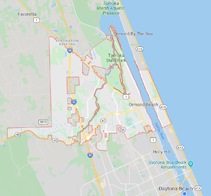
Location Research: Ormond Beach offers buildable lots in established mainland neighborhoods, prestigious golf communities (Plantation Bay, Breakaway Trails, etc.), beachside residential areas (limited), and waterfront properties along the Halifax River. Spend time experiencing neighborhoods at different times - that peaceful tree-canopied street might see increased traffic during school hours, while golf communities remain consistently quiet but with higher HOA fees.
Mainland vs. Beachside vs. Golf Community Decision: This fundamental choice shapes your entire project. Mainland lots in established neighborhoods offer lower costs ($60,000-$250,000), simpler construction requirements, and often minimal or no HOA restrictions. Golf community lots ($100,000-$500,000) provide resort amenities but require architectural review compliance and higher HOA fees. Beachside lots ($350,000-$2,000,000) require elevated foundations, enhanced hurricane protection, coastal permits, and flood insurance, but provide walkable beach access and elevated property values.
Tree Preservation Requirements: Ormond Beach strictly enforces tree preservation ordinances throughout the city. Removing significant trees requires permits, often mitigation (replanting requirements), and adds $2,000-$12,000+ to projects. Many lots have protected trees that limit where you can build. Survey protected trees early in the lot evaluation process - what looks like a great lot might have building constraints due to tree protection. Good builders know how to work around protected trees, but this requires careful planning from the start.
Zoning and Restrictions: Before falling in love with a lot, verify what you can actually build there. The City of Ormond Beach maintains zoning maps showing residential classifications, setback requirements, and maximum building heights. Golf communities add comprehensive architectural review requirements covering everything from home size to exterior colors to roof styles. Beachside properties face additional coastal construction zone regulations. Some established neighborhoods have deed restrictions or minimal HOAs with architectural guidelines.
Due Diligence Period: Never skip the inspection contingency. A survey confirms lot boundaries, identifies easements that limit building locations, and maps protected trees requiring preservation. Soil testing reveals whether you need special foundation work. Tree surveys identify protected specimens and assess mitigation requirements. Environmental assessments for waterfront lots identify wetlands or protected areas. Title searches uncover liens, unpaid taxes, or ownership disputes. Budget $3,000-$7,000 for these investigations for mainland lots, $4,000-$9,000 for golf community or waterfront lots where additional surveys and reviews are needed.
Golf Community Considerations: Lots in Plantation Bay, Breakaway Trails, and similar communities come with architectural review requirements. Before purchasing, obtain and review the community's architectural guidelines - these specify allowable home styles, size restrictions, material requirements, and design standards. Understanding these requirements before purchase prevents surprises during design. Golf course lots command significant premiums ($50,000-$200,000 over interior lots) but provide views and prestige. Waterfront lots within communities command the highest prices.
Beachside and Waterfront Considerations: Halifax River waterfront and beachside lots require additional due diligence. Seawall inspections determine repair or replacement needs ($60,000-$200,000+). Flood zone designations (affecting most beachside and waterfront areas) mandate elevated foundations, adding $50,000-$130,000 to construction costs. Beachside lots face strict coastal construction requirements and community character expectations in this established beach town.
Closing Timeline: Land purchases typically close faster than home purchases - 30-45 days versus 45-60 days. Cash buyers can close in 2-3 weeks if they waive contingencies, though we recommend against waiving inspections regardless of market competitiveness, particularly for waterfront properties or golf community lots where hidden issues or restriction problems prove expensive.
Selecting Your Builder and Designer (1-3 Months)
Your builder choice impacts everything from design flexibility to final quality, and in Ormond Beach, experience with tree preservation, golf community standards, and coastal construction (for beachside) matters tremendously.
Research and Interviews: Start with at least five potential builders, prioritizing those with Ormond Beach experience. If building in Plantation Bay or another golf community, ensure they have completed multiple projects in that specific community and understand its architectural review process. If building beachside, verify extensive coastal construction experience. Check their Florida contractor licenses, verify insurance coverage, and request references from recent Ormond Beach clients in similar locations (mainland vs. golf community vs. beachside). Visit active job sites unannounced to see how they operate - clean, organized sites indicate professional management.
Portfolio Review: Look for homes similar to what you're planning, particularly regarding location and community. A builder who excels at $500,000 mainland homes might struggle with $1.5 million Plantation Bay estates or beachside construction requiring coastal engineering. Ormond Beach maintains high aesthetic standards across all price points, so look for builders whose work reflects quality craftsmanship and thoughtful design appropriate to each community. Ask to visit completed homes, and if possible, homes currently under construction so you can see their process and craftsmanship before finishes hide everything.
Tree Preservation Experience: Verify your builder understands Ormond Beach's tree preservation requirements. Ask specific questions about their experience with tree surveys, working around protected trees, obtaining tree removal permits when necessary, and implementing required mitigation. Builders inexperienced with Ormond Beach's strict tree preservation sometimes underestimate these requirements, leading to delays, unexpected costs, or compliance problems.
Golf Community Architectural Review Expertise: If building in Plantation Bay, Breakaway Trails, or similar communities, verify your builder has successfully navigated that community's architectural review process multiple times. Each community has unique requirements and review board preferences. Experienced builders know what the review board expects, how to present plans effectively, and how to avoid common rejection reasons. This expertise can save 4-8 weeks in the approval process and prevent costly design changes after submitting plans.
Coastal Construction Expertise (Beachside): If building beachside, verify your builder understands elevated foundations, coastal engineering requirements, enhanced hurricane protection systems, and salt-resistant material selection. Ask specific questions about their experience with flood zones, coastal permitting, and managing beachside construction challenges unique to barrier island building.
Design Options: Some custom builders employ in-house designers familiar with Ormond Beach's various community aesthetics. Others work with architects you hire separately - consider architects experienced with your specific location type (golf community design, coastal architecture, or traditional Ormond Beach residential). Design-build firms handle both under one contract, streamlining communication but potentially limiting design flexibility.
Contract Negotiation: Custom home contracts should specify everything: materials by brand and model number, appliances, fixtures, paint colors, flooring types, timelines, and who handles what. For golf community construction, ensure contracts clearly define responsibility for architectural review submittals, any fees, and how design changes from review board feedback will be handled. For beachside construction, specify responsibility for coastal permitting, engineering, and elevation requirements. Payment schedules should tie to completion milestones, not calendar dates, protecting you if the project falls behind.
Design Phase: Expect 4-8 weeks for initial designs and another 2-3 weeks for revisions. Golf community projects often require additional design time to ensure compliance with architectural guidelines before formal submission. Beachside projects require coastal engineering integration. Complex designs or indecisive clients extend this timeline. Finalize everything before construction starts - changes after groundbreaking cost 20-30% more than initial selections and delay completion significantly.
Permitting and Pre-Construction (5-10 Weeks)
Ormond Beach's permitting process moves efficiently for straightforward projects but requires additional time for golf community architectural reviews, tree preservation approvals, and beachside coastal permits.
Plan Submission: Your builder submits architectural plans, engineering calculations, site plans, tree preservation plans, and various technical documents to the City of Ormond Beach Building Department. Plans must show compliance with wind load calculations, energy efficiency standards, accessibility guidelines, and tree preservation requirements. Beachside projects require additional coastal construction documentation. Golf community projects require separate architectural review board approval before or concurrent with city permitting.
Golf Community Architectural Review: If building in Plantation Bay, Breakaway Trails, or similar communities, your plans must receive architectural review board approval. This parallel process typically takes 3-6 weeks from submission to approval. The board reviews architectural style, materials, colors, landscaping plans, and overall design appropriateness for the community. Experienced builders familiar with specific community standards usually gain approval on first submission. Unfamiliar builders sometimes face rejection requiring redesign, adding 4-8 weeks to timelines. Some communities require multiple submissions (preliminary, then final), extending the process.
Tree Preservation Review: City review includes evaluation of tree preservation plans. Plans must show how construction will avoid damaging protected trees, specify protection measures during construction, and detail any required mitigation if tree removal is necessary. This review adds 1-2 weeks to standard permitting timelines. Projects requiring significant tree removal or involving particularly large protected specimens face additional scrutiny and potentially extended review periods.
Review Timeline: Straightforward mainland residential plans typically clear city review in 4-6 weeks. Golf community projects require 6-9 weeks total when including architectural review board approval. Beachside projects requiring elevated foundations and coastal compliance take 6-8 weeks for city approval. Complex projects combining multiple factors (golf community + significant tree impacts, or beachside + custom design) can require 8-12 weeks for all approvals.
Common Rejection Reasons: Plans come back for corrections if they show inadequate hurricane ties, improper foundation designs, insufficient engineering stamps, incomplete energy calculations, inadequate tree protection measures, or designs that don't meet golf community architectural standards. Good builders experienced with Ormond Beach anticipate these issues and submit complete applications the first time.
Permit Costs: Mainland residential building permits cost $4,000-$9,000 depending on home size and construction value. Golf community projects sometimes have additional community review fees ($500-$2,000). Beachside permits run $6,000-$12,000 due to additional coastal requirements. You'll also pay for separate electrical, plumbing, and mechanical permits. Impact fees ($12,000-$20,000) fund infrastructure improvements. Tree removal permits (if needed) add $200-$2,000 plus mitigation costs. Budget $25,000-$45,000 total for mainland permits and fees, $30,000-$50,000 for golf communities, $35,000-$60,000 for beachside projects.
Pre-Construction Steps: While permits process, builders handle site preparation work that doesn't require permits. Clearing vegetation around protected trees (with proper protection measures), rough grading, and utility location don't need building permits but do need property owner authorization. Starting these tasks early keeps the project moving once permits arrive. However, tree protection barriers must be installed before any site work begins in areas with protected trees.
Site Preparation and Foundation (2-5 Weeks)
Ground preparation creates the base for everything that follows, with tree preservation, golf community standards, and beachside requirements each adding considerations.
Tree Protection Installation: Before any site work begins on lots with protected trees, crews must install protection barriers at specified distances from protected trees. These barriers remain throughout construction. Violating tree protection requirements can result in substantial fines ($5,000-$25,000 per tree) and construction stops. This adds 1-2 days to site prep but is mandatory and non-negotiable.
Clearing and Grading: Crews remove vegetation outside protected tree zones, grind stumps, and grade the lot to proper elevations. Mainland properties generally require straightforward grading. Golf community lots sometimes need additional attention to drainage since they often border golf course areas. Beachside lots require grading to meet flood elevation requirements. Proper drainage planning is critical - water should flow away from the home in all directions.
Soil Conditions: Most of Ormond Beach sits on sandy soil that drains well and supports standard foundations. Beachside areas have looser sandy soil with high water tables requiring elevated foundations. Some golf course areas have organic material from previous wetlands requiring special attention. The geotechnical survey from your due diligence period tells your builder what foundation type works best.
Foundation Types: Mainland slab-on-grade foundations work for most Ormond Beach properties and take 3-5 days from pour to cure. These suit Ormond Beach's generally flat terrain and stable soils. Elevated foundations required for beachside properties take 3-5 weeks because they involve complex forming, extensive engineering, additional inspections, and longer cure times. Halifax River waterfront homes often use elevated foundations even on the mainland side due to flood zones.
Utility Rough-Ins: Before concrete pours, plumbers install supply lines and drain pipes that run under the slab. Electrical conduits also get placed at this stage. Municipal water and sewer are available throughout Ormond Beach, simplifying utility connections compared to rural areas. Mistakes here are extremely expensive to fix later, so multiple inspections happen before the foundation goes in.
Foundation Inspection: City inspectors verify proper rebar placement, adequate thickness, correct elevation (critical for beachside flood zones), and all required elements before authorizing the concrete pour. This inspection is mandatory and missing it means tearing out concrete and starting over.
Framing and Rough-Ins (6-10 Weeks)
Framing transforms your foundation into a recognizable house structure, with golf communities often featuring more complex architectural elements and beachside projects requiring enhanced hurricane protection.
Wall and Roof Framing: Crews set wall frames, install roof trusses, and add sheathing. A typical 2,500 square foot mainland home takes 2-3 weeks to frame completely. Golf community homes often feature more complex rooflines, higher ceilings, and architectural details that add 3-4 weeks to framing. Beachside homes require 3-4 weeks due to enhanced hurricane strapping and reinforced connections. All Ormond Beach construction must meet Florida's hurricane codes with proper tie-downs and reinforcements.
Architectural Complexity: Golf community homes often feature vaulted ceilings, complex rooflines, multiple gables, and custom architectural details that take longer to frame than simple rectangular homes. While these features create distinctive homes appropriate to prestigious communities, they extend framing timelines and require skilled carpenters experienced with complex framing.
Rough Inspections: Multiple inspections happen during framing. The city checks framing before sheathing goes on, verifies hurricane tie compliance, and inspects roof framing before coverings install. Each inspection must pass before work continues. Some golf communities require additional community inspections verifying construction matches approved plans.
Window and Door Installation: Impact-resistant windows and exterior doors go in after framing completes but before interior work starts. Ormond Beach's coastal proximity makes impact-resistant windows recommended though not legally required for most mainland locations. Golf communities often feature extensive glass for views, requiring careful installation. Beachside homes require the highest-rated impact protection. Expect 3-5 days for window installation on average homes, 5-7 days for homes with extensive custom windows.
Mechanical Rough-Ins: With the structure enclosed, HVAC contractors install ductwork designed for Florida's climate. Plumbers run supply lines and drain pipes through walls. Electricians pull wiring to every outlet, switch, and fixture location. These "rough-in" phases take 3-4 weeks total and involve multiple inspections before walls close up. Golf community homes often feature more extensive HVAC systems (zoning, higher-end equipment) and more complex electrical (extensive lighting, smart home prewiring).
Insulation: Florida homes require specific insulation R-values for energy efficiency. Spray foam costs more than fiberglass batts but performs better in Florida's humid climate and provides additional structural reinforcement. Insulation happens after rough-in inspections pass but before drywall installation. Many golf community and upscale homes use spray foam throughout for superior performance and efficiency.
Exterior Finishes (3-6 Weeks)
While interior work progresses, exterior finishing protects the home and starts showing final appearance, with golf communities often featuring premium materials and beachside construction requiring salt-resistant products.
Roofing Installation: Architectural shingle roofs take 3-5 days to install. Metal roofing requires 5-7 days. Tile roofs (popular in Ormond Beach and especially golf communities for Mediterranean aesthetics) need 7-10 days due to weight and complexity. All roofing must meet Florida's wind rating requirements (minimum 130 mph for most of Ormond Beach, higher for beachside). Golf communities sometimes restrict roofing materials or colors to maintain community aesthetics.
Exterior Siding: Stucco application takes 8-12 days including base coats, texture, and final color. Stucco is very popular in Ormond Beach for its durability and aesthetic appeal. Fiber cement siding installs in 5-7 days. Brick accents (common in upscale Ormond Beach homes) add time and cost but create distinctive looks. Golf communities may require specific siding materials or prohibit certain options to maintain community character.
Exterior Paint: Homes with painted surfaces rather than stucco need primer and two finish coats. Expect 5-7 days for complete exterior painting in good weather. Golf communities often have approved color palettes limiting choices but ensuring neighborhood cohesion. High humidity extends drying times, and summer thunderstorms regularly interrupt exterior painting schedules.
Soffit, Fascia, and Gutters: These finishing touches take 2-3 days and happen after roofing and siding complete but before final exterior inspections. Golf communities may specify materials or styles to maintain community aesthetics.
Interior Finishes (7-11 Weeks)
Interior finishing requires coordination between multiple trades and represents where projects most commonly fall behind schedule, particularly in golf community homes with extensive custom finishes.
Drywall Installation: Hanging, taping, and finishing drywall takes 2-3 weeks for average homes, 3-4 weeks for larger golf community estates with high ceilings and complex architectural details. First coat, second coat, and final skim coat each need drying time. Humidity affects drying, so summer builds sometimes take longer than winter projects.
Interior Paint: Primer and two finish coats take 5-7 days after drywall completes for average homes, 7-10 days for larger estates. Color changes, accent walls, or multiple colors add time. Paint must cure completely before cabinet installation to prevent damage during that process. Golf community homes often feature more extensive color palettes and custom finishes extending this phase.
Cabinet Installation: Kitchen and bathroom cabinets install in 4-6 days for standard homes, 6-9 days for golf community estates with extensive custom cabinetry, butler's pantries, and multiple bathroom vanities. Countertops follow cabinet installation, with granite and quartz taking 1-2 weeks from template to installation. High-end golf community homes often feature extensive custom cabinetry throughout (offices, laundry rooms, garages) significantly extending this phase.
Flooring Installation: Tile takes longest at 8-12 days for whole-house installation including grout and sealing time. Hardwood requires 6-8 days for installation and finish coats. Luxury vinyl plank installs fastest at 3-5 days. Carpet goes in last, typically just days before final cleaning. Golf community homes often feature premium flooring throughout (marble, hardwood, custom tile patterns) extending this phase significantly.
Trim and Finish Carpentry: Baseboards, crown molding, door casings, and interior doors install over 5-7 days for standard homes, 7-10 days for golf community estates with extensive custom millwork, coffered ceilings, and architectural details. Painters return for touch-up work after trim installation, adding another 2-3 days.
Fixture Installation: Plumbers install sinks, faucets, toilets, and shower fixtures. Electricians add switches, outlets, light fixtures, and ceiling fans. HVAC contractors install thermostats and registers. This coordination takes 3-5 days for standard homes, 5-7 days for golf community estates with extensive fixtures and custom elements.
Final Inspections and Punch List (2-5 Weeks)
The home looks complete, but several critical steps remain before you can move in, with golf communities sometimes requiring final community inspections beyond city requirements.
Final Building Inspection: The city conducts a comprehensive inspection verifying everything meets code: electrical, plumbing, HVAC, structural elements, and safety features. This inspection must pass before receiving your Certificate of Occupancy (CO). Failed inspections delay move-in and require re-inspection after corrections.
Golf Community Final Review: Some golf communities require a final inspection verifying the completed home matches approved plans, landscaping meets community standards, and all exterior elements comply with architectural guidelines. This typically happens concurrent with or just after city final inspection. Most reputable builders complete this without issues, but it's an additional checkpoint in the process.
Utility Activation: Final electric meter installation, water connection activation, and gas service (if applicable) happen after passing final inspection. City of Ormond Beach utilities typically schedule connections within 1 week of request. Some golf communities have specific utility providers or requirements.
Punch List Walkthrough: You walk through with your builder documenting incomplete items, defects, or items not meeting contract specifications. Typical punch lists include touch-up paint, cabinet adjustments, door hardware problems, landscaping completion, or minor finish issues. Professional builders expect punch lists and address items promptly. Golf community homes with extensive custom work sometimes have longer punch lists simply due to complexity and custom element count.
Punch List Completion: Builders typically need 1-3 weeks to complete punch list items depending on length and complexity. Some items might wait for weather (exterior paint touch-ups) or supplier delivery (replacement fixtures).
Final Cleaning: Professional cleaning happens after all construction work completes. This deep cleaning removes construction dust, cleans windows, scrubs floors, and prepares the home for occupancy. Golf community estates often require more extensive cleaning due to size and custom finishes.
Move-In and Warranty Period
Receiving your keys doesn't end your relationship with the builder - the warranty period protects you for years ahead.
Certificate of Occupancy: The CO authorizes legal occupancy and confirms the home meets building codes. You need this for insurance coverage, mortgage final disbursement (if financed), and legal occupancy. Moving in without a CO violates code and can void insurance.
Insurance Requirements: Before closing, you'll need proof of adequate homeowners insurance. Mainland Ormond Beach properties typically need $3,000-$5,500 annually for adequate coverage on a $500,000 home. Beachside properties need $7,000-$15,000 annually including flood insurance. Golf community estates may need $6,000-$12,000+ depending on value and features.
Closing and Final Payment: Construction loans convert to permanent mortgages at closing. You'll sign final paperwork, pay any remaining balances, and receive title to the completed home. This process mirrors traditional home purchases but includes construction documentation.
Initial Warranty Period: Florida law requires one-year warranties on new construction. Many quality builders extend coverage on major systems (HVAC, plumbing, electrical) to 2-5 years and structural elements to 10 years. Read your warranty carefully - it specifies what's covered, what's excluded, and how to request service.
Settling Period: New homes settle and adjust during their first year. Small cracks in drywall, minor nail pops, or seasonal expansion/contraction are normal. Your warranty covers defects and failures but typically excludes normal settling. Document everything and submit warranty claims promptly for legitimate issues.
Common Delays and How to Minimize Them
Understanding typical bottlenecks helps you plan realistically and recognize what's normal.
Weather Delays: Summer thunderstorms halt outdoor work regularly. Hurricane season (June-November) can cause multi-week delays if storms threaten the area. Foundation pours, roofing, and exterior finishing all depend on weather. Add 3-4 weeks to your timeline if building during summer months.
Architectural Review Delays (Golf Communities): Golf community architectural review boards meet on set schedules (often monthly). Missing a submission deadline can add 4-6 weeks waiting for the next meeting. Plans requiring revisions face another review cycle. Experienced builders familiar with specific communities minimize these delays by submitting complete, compliant applications.
Tree Preservation Compliance: Projects underestimating tree preservation requirements face delays obtaining permits or during construction if tree protection violations occur. Working with builders experienced with Ormond Beach's requirements avoids these issues.
Material Delays: While supply chain issues have improved, specialty items still face delivery delays. Custom windows, high-end fixtures for golf community homes, or unique materials might need 8-14 weeks. Order long-lead items early and have backup options identified.
Inspection Delays: County inspectors work on schedules that don't always align with construction needs. An inspector might be unavailable for 3-5 days, stopping work while you wait. Builders with good relationships and scheduling practices minimize these delays.
Subcontractor Scheduling: Skilled trades juggle multiple projects. If they're behind on another job, your project waits. This is where builder management skills matter - good builders maintain relationships with reliable subcontractors.
Change Orders: Every change you request after construction starts adds time. Make all decisions before construction starts whenever possible.
Red Flags During Construction
Most custom builds proceed smoothly, but watch for warning signs that indicate problems.
Poor Communication: If your builder stops returning calls promptly or avoids answering questions directly, something's wrong. Communication often deteriorates before other problems become obvious.
Skipped Inspections: Builders who pressure inspectors to skip steps, who fail inspections repeatedly, or who can't provide documentation of passed inspections aren't maintaining quality standards.
Tree Protection Violations: If you see construction activity within tree protection zones or damaged protection barriers, address this immediately. Tree violations result in substantial fines and potential construction stops.
Subcontractor Complaints: If plumbers or electricians complain about not getting paid, your builder has cash flow problems that can lead to liens against your property.
Constant Delays Without Explanation: Weather causes delays. Material shortages cause delays. But chronic delays without clear reasons might indicate poor project management or financial problems.
Quality Issues: Misaligned doors, uneven drywall, sloppy paint work, or poor tile installation indicate rushed work or incompetent subcontractors. Address quality issues immediately.
Staying Involved Without Micromanaging
You should monitor progress without interfering with daily construction activities.
Scheduled Site Visits: Visit regularly but on schedule. Weekly walkthroughs with your builder keep you informed without disrupting work. Random daily visits frustrate workers and raise liability concerns if you're injured on site.
Document Everything: Take photos at each stage, particularly before elements are covered (framing, plumbing, electrical). Document decisions, changes, and issues in writing (email creates timestamps and records).
Ask Questions Early: If something doesn't look right, ask immediately. Fixing problems during construction costs far less than fixing them after completion.
Respect Tree Protection: Never allow any activity within tree protection zones. This protects you from fines and demonstrates respect for Ormond Beach's values.
Respect Boundaries: Don't instruct subcontractors directly - all communication should flow through your builder.
Stay Decisive: Builders need timely decisions to maintain schedules. Delaying selections stalls progress. Set decision deadlines for yourself and stick to them.
Making Your Custom Home Dream Reality in Ormond Beach
Building a custom home in Ormond Beach offers creative freedom while building in one of Volusia County's most prestigious addresses. The process requires realistic expectations about timelines, costs, and involvement - particularly when navigating tree preservation requirements, golf community architectural reviews, or beachside coastal construction.
The best custom home experiences in Ormond Beach happen when buyers find builders they trust with relevant local experience, make informed decisions respecting community standards and tree preservation, and maintain realistic timelines accounting for Ormond Beach's specific requirements. The worst experiences involve builders unfamiliar with Ormond Beach's requirements, rushed decisions, and unrealistic expectations.
Ormond Beach's tree preservation ordinances, golf community standards, and quality construction requirements create an environment that protects property values and maintains the character that makes Ormond Beach desirable. Your job is selecting the right builder with appropriate local experience, respecting the community's values, and maintaining perspective when inevitable delays occur.
The reward is a custom home in one of Northeast Florida's most desirable communities - a place where tree-canopied streets, quality construction standards, beach proximity, and thoughtful growth management create exceptional quality of life and lasting property values.
Find experienced home builders in Ormond Beach who specialize in custom homes built from the ground up and new construction projects. Ready to start comparing Ormond Beach home builders? Browse our directory of local builders, read reviews from real clients, and connect with builders who match your project needs.