





Ormond Beach Emergency Dentist: What Qualifies as a Dental Emergency
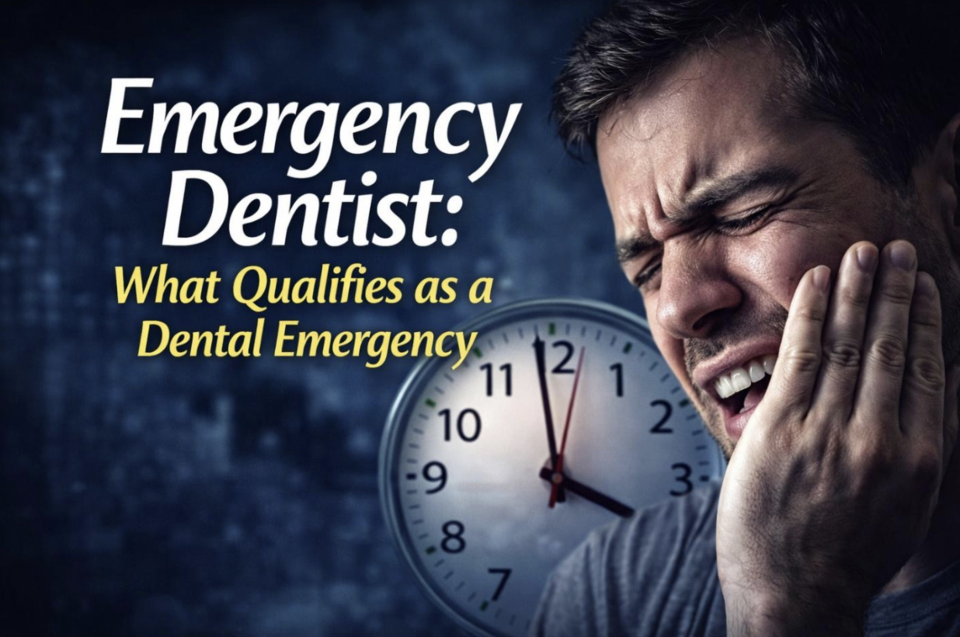
A sharp crack echoes through the kitchen late at night. The popcorn kernel won, and half of a molar just broke off. Blood, pain, and panic set in. Is this an emergency room situation? Can it wait until morning? Should someone be calling an emergency dentist right now?
Here’s the reality. True dental emergencies need immediate attention to save teeth, stop infections, or control serious bleeding. But many situations that feel urgent can actually wait for normal business hours. Knowing the difference helps avoid unnecessary emergency room visits that cannot fix dental problems and ensures proper care when teeth and gums are genuinely at risk.
Whether it’s sudden severe pain in the middle of the night, a knocked-out tooth during a weekend activity, or a crown that fell out during dinner, understanding what qualifies as a real dental emergency helps people make smart decisions about when and where to seek care.
What Actually Qualifies as a Dental Emergency
Not every dental problem is an emergency. The distinction matters because true emergencies require treatment within hours, while urgent issues can often wait 24 to 48 hours.
True dental emergencies requiring immediate care:
Knocked-out permanent tooth
Time is critical. A tooth can sometimes be saved if it is reimplanted within 30 to 60 minutes. Every minute reduces the chance of success.
Severe, uncontrollable bleeding
Bleeding that does not stop after 10 to 15 minutes of firm pressure requires immediate attention.
Abscess or serious infection
Facial swelling, fever, difficulty swallowing, or breathing problems combined with dental pain may indicate a spreading infection that can become life-threatening.
Facial trauma involving the jaw
A broken or dislocated jaw requires emergency medical care.
Object lodged between teeth causing severe pain
If flossing and rinsing cannot remove it and pain or bleeding continues, professional treatment is needed.
Urgent dental issues that need same-day or next-day care:
Cracked or broken teeth, lost fillings or crowns causing pain, severe toothaches, and damaged orthodontic appliances typically require prompt care but are rarely midnight emergencies.
Not emergencies:
Minor chips without pain, dull toothaches, lost temporary crowns, and food stuck between teeth can usually wait for a regular appointment.
Emergency Dentist vs Emergency Room
Emergency rooms can manage pain, bleeding, and infections, but they typically cannot fix dental problems. They stabilize symptoms and refer patients to a dentist.
Call an emergency dentist when:
-
A tooth is knocked out or severely broken
-
Dental pain is severe and persistent
-
A crown or filling falls out and causes pain
-
Swelling or infection is present
Go to the emergency room when:
-
Bleeding will not stop
-
Swelling affects breathing or swallowing
-
There is facial trauma or suspected broken bones
-
A high fever accompanies facial swelling
Dentists provide definitive dental treatment. Emergency rooms manage medical emergencies.
Common Dental Emergencies and What to Do
Knocked-Out Tooth
Handle the tooth by the crown only. Rinse gently if dirty and do not scrub. Try to place it back in the socket or store it in milk or saliva. Seek emergency dental care immediately.
Severe Toothache
Rinse with warm salt water, floss gently, take ibuprofen, and apply a cold compress. If pain does not improve or swelling develops, call an emergency dentist.
Broken or Cracked Tooth
Rinse the mouth, save any fragments, cover sharp edges, and avoid chewing on that side. Same-day care is recommended when pain or sensitivity is present.
Lost Filling or Crown
Keep the area clean and avoid chewing on that side. Temporary dental material can help until a dentist can properly restore the tooth.
Abscess or Infection
Persistent pain, swelling, fever, or pus are warning signs. Dental infections do not heal on their own and require immediate treatment.
How Emergency Dental Calls Are Typically Handled
Most dental practices have after-hours protocols. Some use answering services, some have on-call dentists, and others partner with emergency dental providers.
When calling after hours:
-
Clearly state it is an emergency
-
Describe symptoms briefly
-
Follow instructions given
Cases involving trauma, severe pain, or infection are prioritized.
Emergency Dental Costs
Emergency visits often cost more than routine appointments.
Typical costs may include emergency exams, temporary or definitive treatments, medications, and follow-up care. Insurance coverage varies, and payment is often required at the time of service.
Delaying necessary emergency care often leads to more expensive treatment later.
Preventing Dental Emergencies
Many emergencies are preventable.
-
Wear mouthguards during sports
-
Avoid chewing hard foods like ice or popcorn kernels
-
Address dental issues early
-
Maintain regular dental checkups
-
Practice consistent oral hygiene
Small problems treated early rarely become emergencies.
When an Emergency Can Wait Until Morning
If pain is manageable, there is no swelling or fever, and symptoms improve with basic care, waiting until normal business hours is often safe.
Use judgment. Severe or worsening symptoms should never be ignored.
Making Smart Emergency Dental Decisions
Dental emergencies are stressful and unpredictable. Knowing what qualifies as a true emergency helps reduce panic and ensures proper care.
True emergencies require immediate attention. Urgent issues should be treated promptly. Minor problems can wait.
Having a plan before an emergency happens makes all the difference.
Looking for emergency dental care in Ormond Beach?
If you’re searching for dentists who provide emergency and urgent dental services, visit OrmondBeachConnection.com to view dentists serving the area and find the right care when it matters most.